
Climate change is already wreaking havoc on the country’s aging roads, bridges, storm sewers, and water treatment systems—but new research finds that by investing upfront in adapting public infrastructure, governments could limit those impacts and save billions of dollars each year.
A new report by the Canadian Climate Institute, Prepare or Repair: How climate-proofing public infrastructure pays off, finds that taxpayers will pay a steep and growing price if governments delay or fail to adapt public infrastructure to our changing climate. On the other hand, proactive investment in resilience can sharply reduce infrastructure damage and long-term repair bills.
“Canadians are caught in a perfect storm of aging infrastructure and rising climate risks that are already disrupting our daily lives. This isn’t a tomorrow problem; it’s happening now. The research leaves no doubt: adapting public infrastructure will save Canadians billions of dollars down the road, limiting the cascading impacts of extreme weather, and building a stronger, safer, more prosperous country,” said Rick Smith, president, Canadian Climate Institute.

The analysis shows that governments could save between $5 and $10 billion each year to 2100 by preparing public infrastructure for select climate risks. Investing about $3 billion per year in proactive adaptation would prevent most of the infrastructure damage caused by rising heat and heavier rainfall—freeing up public dollars for other priorities.
“Local governments are already feeling the strain as climate‑driven floods, heat, and heavy storms wear down the infrastructure Canadians rely on every day. This report reinforces what municipalities have been raising for years: investing early in resilient roads, water systems, and public assets protects families from the effects of climate change, strengthens local economies, and saves taxpayers significant costs in the long run. Through initiatives like the Disaster Mitigation and Adaptation Fund, we have seen how early, targeted investment helps communities put proven solutions in place. With the right tools and strong collaboration across all orders of government, we can help every community build resilience and stay prepared for the climate challenges ahead,” said Rebecca Bligh, president, Federation of Canadian Municipalities.
The true costs of not adapting are likely even higher: the analysis does not account for the impacts of all climate-driven hazards—such as wildfires, certain types of flooding, permafrost thaw, and coastal erosion—or for the broader economic impacts of infrastructure damage, including disruptions to essential services, business, and trade, and damage to private property.
While proactive adaptation minimizes the costs of climate change, it does not eliminate them. Even in a best-case scenario, the analysis finds that total infrastructure costs—of both adaptation investments and unavoidable climate damage—would still increase by $5 billion per year on average until 2100.
Municipalities would bear most of these costs, even though the benefits have a broad reach across the economy. This mismatch between who pays and who benefits underscores the need for stronger financing and revenue tools to support municipal adaptation.
To close this gap and bolster the resiliency of infrastructure in Canada’s changing climate, federal, provincial, and territorial governments should:
- Expand funding for infrastructure adaptation and modernize financial tools available to municipalities and other infrastructure owners—including Indigenous governments—to finance resilience upgrades.
- Plan, operate, maintain, and renew public infrastructure so it continues to function safely and reliably under future climate conditions.
- Strengthen climate hazard data and mapping nationwide to support consistent, risk-informed infrastructure decision-making.
- Accelerate updates to infrastructure codes and standards so that new and renewed infrastructure is built to withstand Canada’s changing climate.
- Ensure all public infrastructure spending consistently accounts for climate risk and supports infrastructure owners in reducing long-term vulnerability.
- Tailor programs to support the most vulnerable communities and critical infrastructure.
“The evidence is clear: any delay in adapting our roads, bridges, sewers, and water systems to climate-driven extremes will cost Canadians dearly. Our report offers a clear playbook for action. Now it’s up to governments to collaborate and move forward,” said Ryan Ness, director, Adaptation, Canadian Climate Institute.
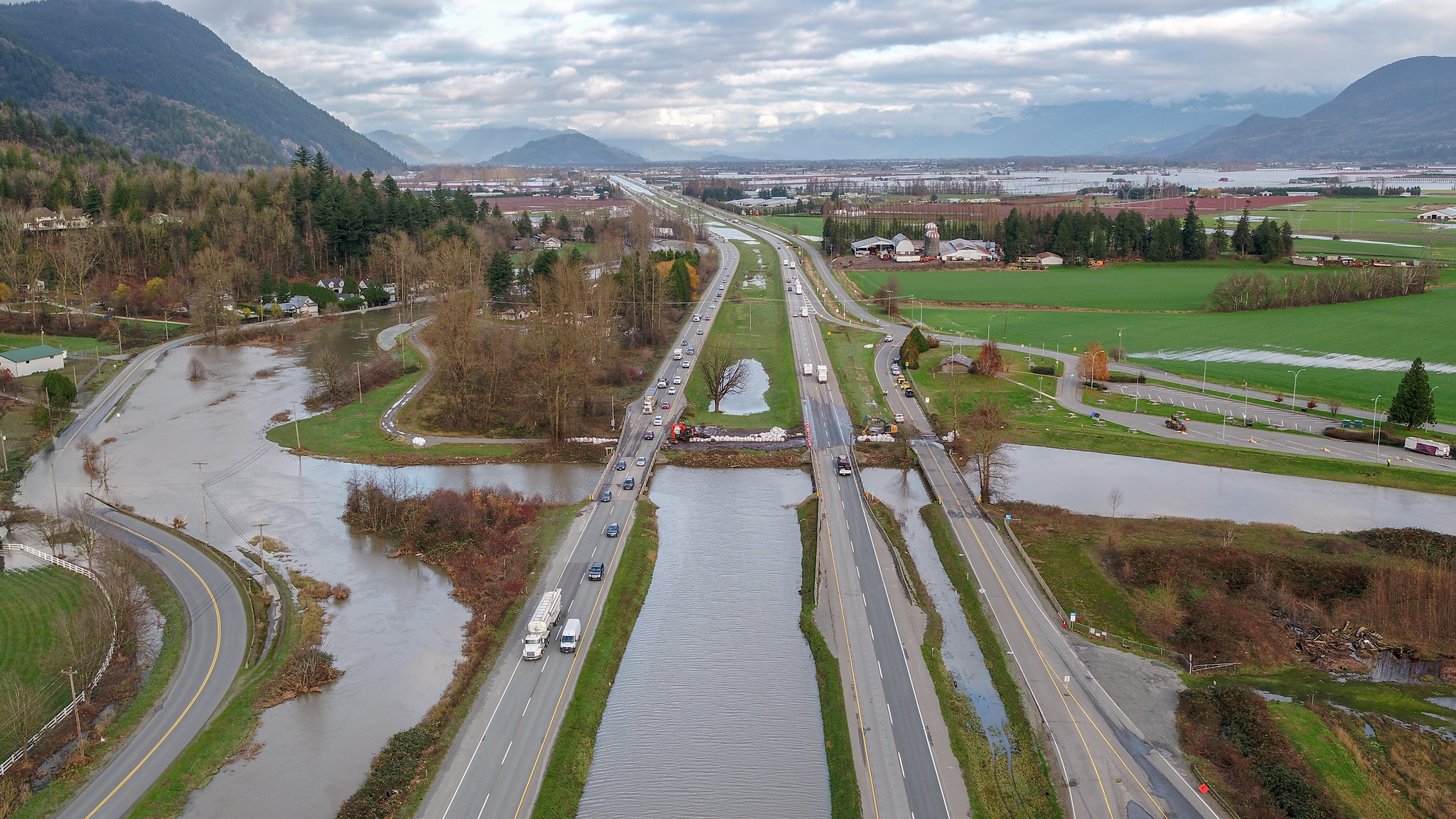
Featured image: (BC Ministry of Transportation and Transit)