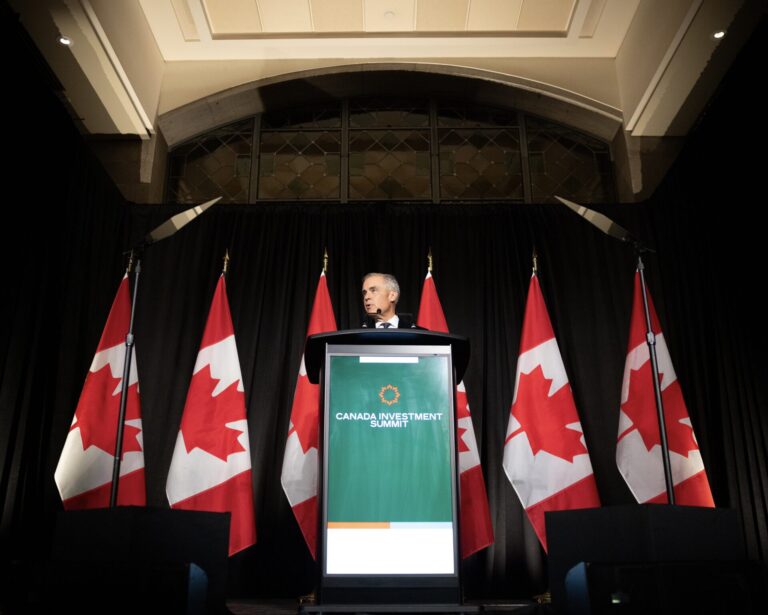

As the federal government prepares to make its case to investors at the Canada Investment Summit, its early major-project decisions suggest it is prioritizing projects where its intervention can make the greatest difference, according to a new C.D. Howe Institute report.
In “Making the Cut: How Canada Can Optimize Major Project Prioritization and Add Real Value,” David Jones examines the projects referred to the Major Projects Office (MPO), including those being considered for listing under the Building Canada Act. He finds that – at an aggregate level – early project selections appear to align with government objectives, reflect where federal involvement can make the greatest difference, and suggest that all five criteria in the Act are playing a role in project prioritization. However, not all projects fulfil all these criteria, which highlights the need for greater debate around the trade-offs involved in project selection.
“Canada’s early major project decisions provide important insight into how the federal government is translating the Building Canada Act’s objectives into practice,” says Jones, a Fellow-in-Residence with the C.D. Howe Institute. “The evidence suggests that project selection is broadly aligned with government priorities and that the government is focusing its attention on projects where its involvement can add real value.”

The report compares projects that have been prioritized by the federal government with a broader set of potential major projects which have not been prioritized to date. The report evaluates both sets of projects against the five criteria identified in the Act, as well as a sixth criterion: “additionality.” This measures the extent to which federal involvement can generate benefits that would not occur otherwise, including by reducing project risks, helping projects navigate approval processes, or crowding-in private investment.
Jones finds that additionality appears to be an important – and implicit – consideration in project selection. Of the six criteria examined, additionality shows the largest gap between prioritized and non-prioritized projects, suggesting the federal government is giving significant weight to projects where its involvement can make a meaningful difference.
“To ensure prioritization decisions align with the government’s stated objectives and to help crowd-in genuinely additional private investment, the government and MPO should continue to strive for transparent, evidence-based decision-making,” says Jones. “This will also support high-quality decision-making for the tough choices and trade-offs that lie ahead.”
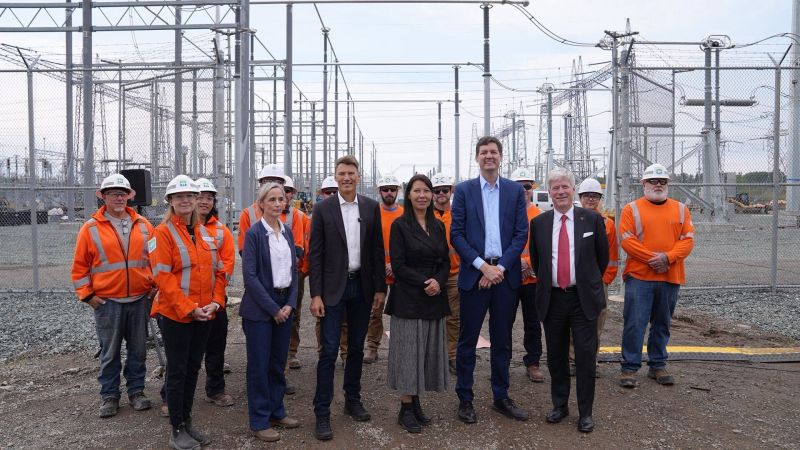
Featured image: The governments of Canada and B.C. announced that construction is underway on the North Coast Transmission Line, committing $3.9 billion toward phases 1 and 2 of the project.
(Government of Canada)