
The Nuclear Waste Management Organization (NWMO) announced the Initial Project Description for the proposed Deep Geological Repository for Canada’s Used Nuclear Fuel Project is now posted to the Impact Assessment Agency of Canada website.
This step marks the beginning of an in-depth regulatory process and a notable milestone for our work as the project moves from planning to independent review. It also brings another opportunity for host communities, potentially impacted Indigenous groups and the public to share their perspectives and contribute to shaping Canada’s plan to safely contain and isolate used nuclear fuel over the long term.
In November 2024, following a rigorous community-driven process, Wabigoon Lake Ojibway Nation (WLON) and the Township of Ignace agreed to enter the regulatory decision-making phase as potential host communities for the repository.

Now, the project advances to the next step with the submission of the Initial Project Description. This document is foundational as it details the deep geological repository’s purpose, need and expected benefits, and it explains how the project will be implemented in a manner that protects people and the environment. It also provides a preliminary assessment of potential impacts and describes measures to avoid or mitigate them.
The posting of the Initial Project Description to the Impact Assessment Agency of Canada registry formally initiates the federal impact assessment and licensing processes and provides the basis for sustained community engagement.
“For the NWMO, submitting the Initial Project Description represents more than a regulatory requirement,” commented Allan Webster, NWMO vice president of Regulatory Approvals. “It is a shared starting point that brings together engineering, environmental, Indigenous Knowledge and community perspectives to guide how the project moves forward through impact assessment, licensing, design optimization, construction and operations.”
On a global scale, many recognized scientific organizations support geological repositories as the safest long-term solution for managing used nuclear fuel. Canada is among the leading countries in this space and is committed to applying best-in-class practices, leveraging decades of scientific research, sustained community engagement and alignment with international standards.
Throughout its life, the project will remain subject to the Impact Assessment Act, the Nuclear Fuel Waste Act, the Nuclear Safety and Control Act, and numerous other federal and provincial licensing and regulatory requirements.
WLON is exercising its jurisdiction through its Regulatory Assessment and Approval Process (RAAP). The RAAP is WLON’s regulatory process grounded in Anishinaabe law, values and responsibilities, and it reflects WLON’s authority to review and decide on development within its territory.
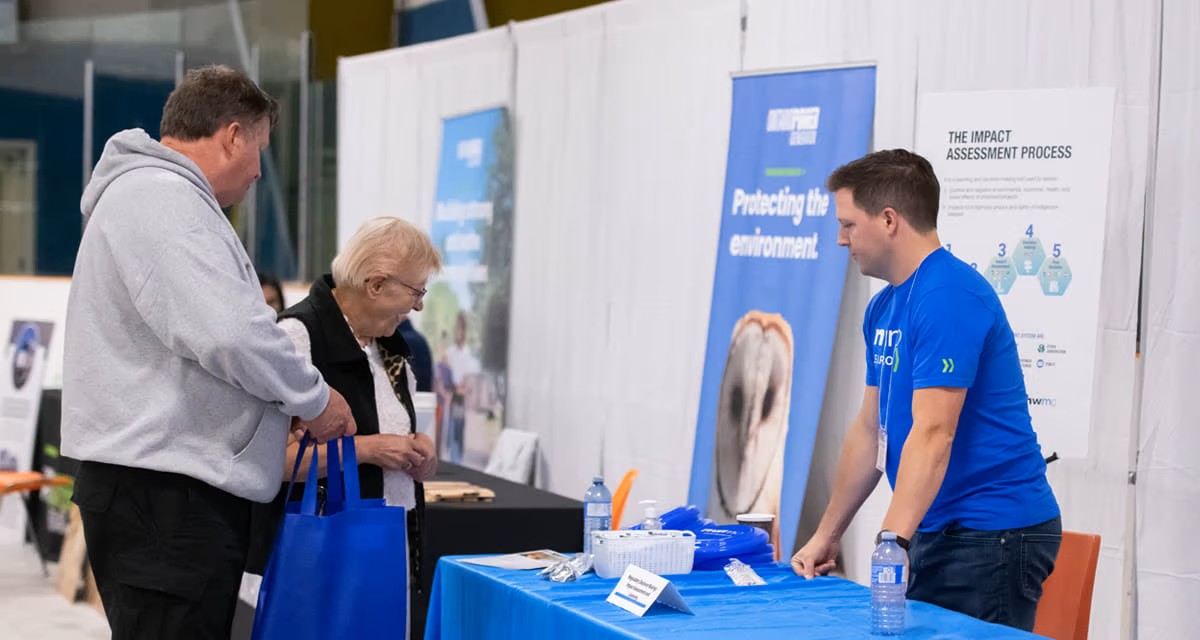
Featured image: The NWMO’s Initial Project Description explains how Canada’s deep geological repository will be implemented in a manner that protects people and the environment. (NWMO)