
By: Joe Rogers, Director, Net Zero Acceleration Programs, Green Municipal Fund
Across Canada, communities are navigating a rapidly shifting energy landscape. Rising energy costs, extreme weather and aging infrastructure are putting new pressure on municipal budgets and essential services. What once were predictable operating environments have become increasingly uncertain, pushing municipalities to find solutions that provide stability, affordability and long-term resilience.
While these challenges are significant, they are also sparking a wave of innovation at the local level. Municipalities are uniquely positioned to lead Canada’s energy transition because they understand their communities’ needs, assets and risks. The Federation of Canadian Municipalities’ Green Municipal Fund (GMF) is helping them turn that local knowledge into action—providing the resources, expertise and funding communities need to build stronger, cleaner and more self-sufficient energy systems.

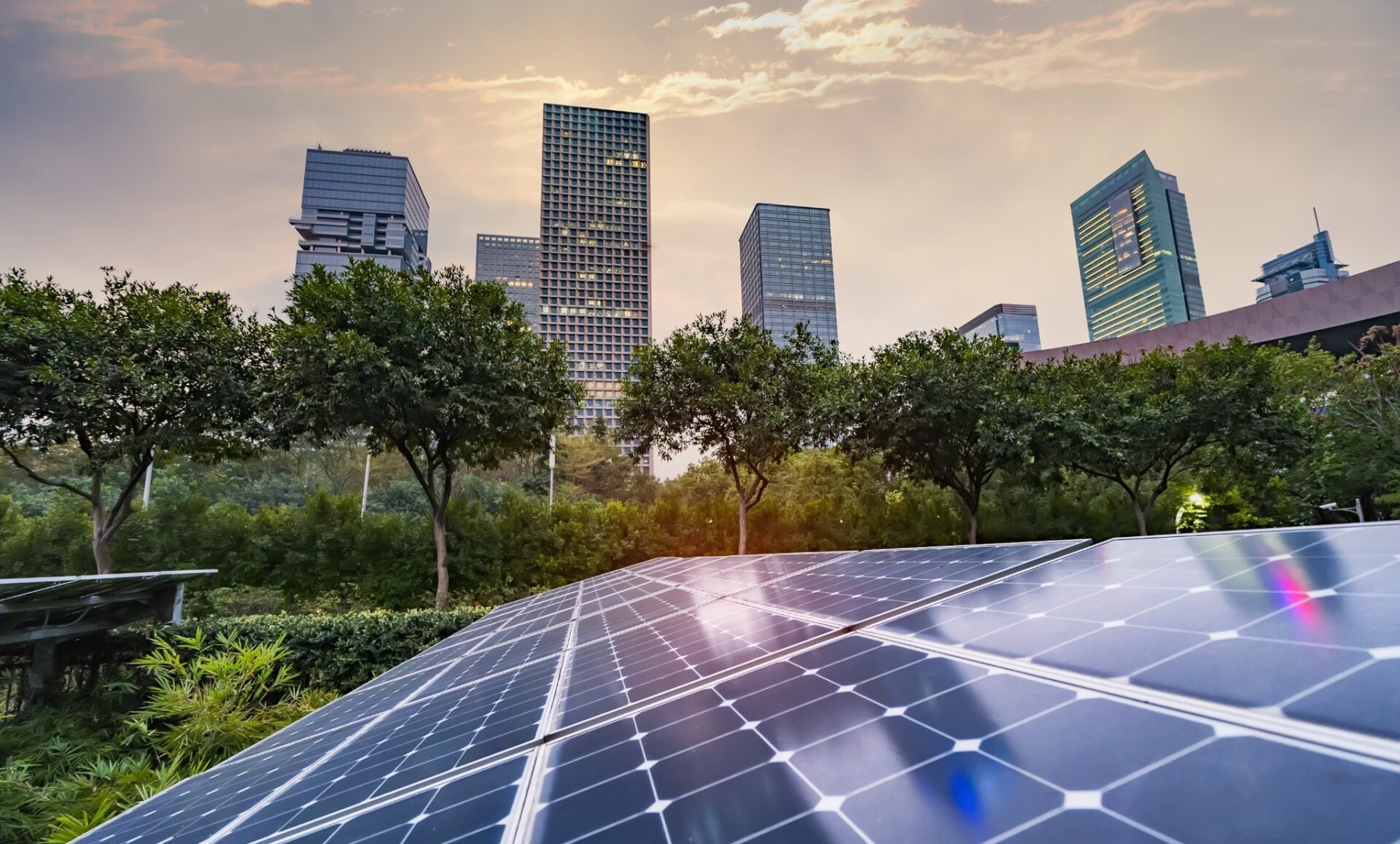
Energy resilience has become a growing priority as communities face fluctuating energy markets and more frequent climate disruptions. Municipalities know the value of reducing dependence on external energy sources, but many face barriers to implementation: high upfront capital costs, long planning timelines and technical complexity. GMF’s energy programs are designed to bridge that gap. By supporting feasibility studies, pilot projects and capital investments, GMF enables communities to make informed decisions and move forward confidently with complex, long-term energy solutions.
Policy uncertainty can further complicate municipal energy planning. Shifting regulations, pauses on project approvals and changing market signals can slow progress and put local revenues, long-term planning and private sector confidence at risk. This underscores why GMF’s stable, long-term funding is so important, giving municipalities reliable support even when broader policy or market conditions become uncertain.
Across the country, GMF-funded energy system projects show what this shift looks like in practice.
- In rural Nova Scotia, the County of Kings is exploring community-scale solar energy projects to strengthen energy reliability through the Meadowview Solar Feasibility Study.
- In the National Capital Region, the Zibi waste-heat recovery system is transforming excess industrial heat into a clean energy source for an entire waterfront community—an award-winning example of circular energy in action. To date, this project has resulted in approximately $27.5M worth of short-term construction jobs and five full-time permanent positions.
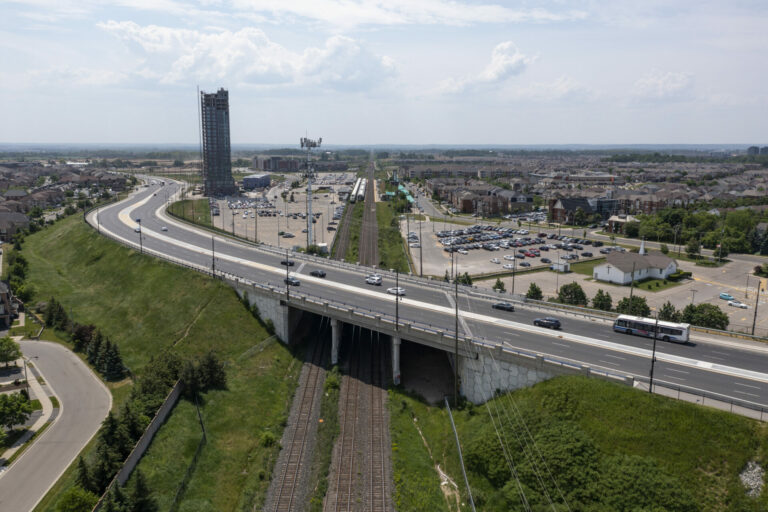
- In Markham, a geo-exchange energy network is delivering efficient, low-carbon heating and cooling to major buildings while reducing emissions and an 82% input energy reduction for space heating and cooling.
- In North Vancouver, local decentralized district-energy plants are helping municipalities generate local heat and power through a combination of renewables, heat recovery from gas-fired boilers and combined heat and power systems.
Each project is different, but the outcomes are similar: lower emissions, improved reliability for residents and businesses and boosts to local economies through job creation and energy costs.

A similar shift is happening in the world of organic waste. Municipalities have long struggled with the financial and environmental burden of managing organics, particularly as landfills exceed capacity and disposal options become more limited and costly. GMF’s Organic Waste-to-Energy (OWE) offer helps communities turn these challenges into a circular solution. For example, the City of Calgary’s Composing Facility Expansion, funded through GMF, is increasing processing capacity for food and yard waste and adding a high-solids anaerobic digestion system that captures biogas from organic material. The project converts organics into renewable energy, reduces emissions and waste management costs, all while creating new revenue streams and supporting local operations.
No two municipalities start from the same place, which is why flexibility is central to funding approaches. Some communities are beginning with feasibility work to understand their energy options. Others are advancing large-scale projects that integrate multiple renewable and recovery systems. GMF’s combination of funding and capacity-building ensures that communities can take meaningful steps forward no matter their size, resources or level of technical expertise. By meeting municipalities where they are, GMF helps reduce risk, build internal knowledge and accelerate progress.
Looking ahead, the next generation of community energy solutions is already taking shape. Wastewater heat recovery helps communities cut energy use at treatment plants. Seasonal thermal storage can function as a ‘heat battery’, providing stable, renewable heating year-round. Net-zero greenhouses powered by local heat networks are emerging as a way to support regional food production. Mixed-use systems—such as pairing landfill geothermal heat with landfill gas and solar PV—are transforming landfill sites into resilient local energy hubs. These innovations point to a future where energy, waste and land-use systems are increasingly integrated, unlocking new opportunities for efficiency, resilience and local economic growth.
Canada’s energy future will not be defined by a single technology or policy, but by the collective impact of local actions. Municipalities are already leading the way, demonstrating that community-driven energy innovation can deliver real economic, environmental and social benefits. GMF is proud to help power this momentum, supporting municipalities as they build a more resilient, affordable and sustainable energy future for the people they serve.