
By Lauren Belayneh
Every Canadian is more familiar than they’d like to be with the pains of co-existing with a construction project that seems to take far longer than it should. It feels like the work is never done—every summer, in almost every neighbourhood, streets are being torn up for infrastructure to be replaced or rehabilitated.
What many don’t realize is that many of the flaws in these construction projects—rushed work, unreliable infrastructure, projects that seem to never be finished—start with the procurement process.

Many municipalities across the country prioritize lowest-price bids over long-term value, quality or speed.
The core procurement challenge
“There are often reasons for delays that the public does not see,” explains Patrick Maginn, president and CEO at CoreAqua, the parent company of Niedner, a Canadian manufacturer of lay-flat industrial hoses, and FER-PAL Infrastructure, which specializes in trenchless watermain rehabilitation that uses AquaPipe’s Cured-In-Place Pipe (CIPP) technology.
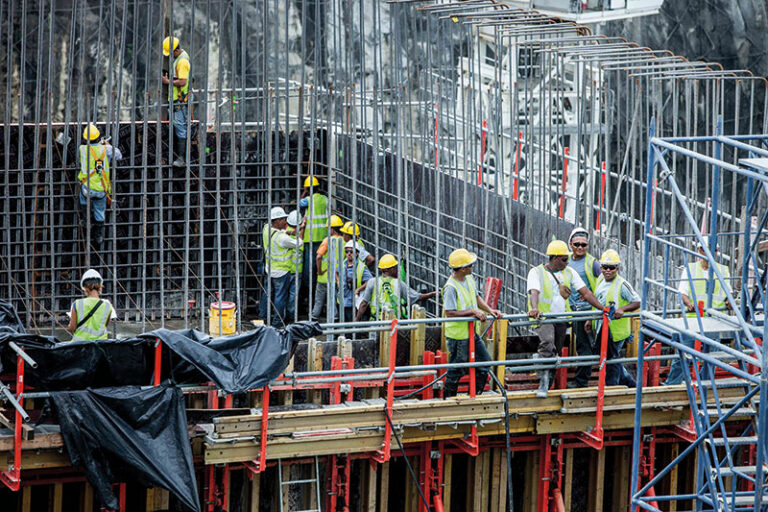
When a municipality prioritizes awarding contracts to the lowest bidder, important factors like quality, durability, delivery speed and long-term value are often overlooked. Although the goal of a low-bid procurement process is to protect taxpayer dollars, it can unintentionally encourage contractors to cut corners to reduce costs rather than prioritize efficiency or long-term performance. This approach can then lead to higher maintenance costs, shorter asset lifespans, and reduced public trust in infrastructure outcomes.
Joe Accardi, president of Accardi Engineering Group, agrees that delays and inefficiencies often start at the procurement stage. “It often takes a long time for procurement results to be public. “There are long waits for scoring and award results, which makes planning very difficult for contractors.”
Accardi also points to missing or incomplete tender information as a persistent issue. “Sometimes there’s missing survey data or subsurface utility data that create conflicts on site. Those end up increasing project costs and can delay work further if new approvals are needed.”
Many projects end up with a delay of three months or more from bid closing to contract award. Because municipal budgets are typically approved in January, projects can’t move forward until spring, meaning construction often doesn’t start until April at the earliest. This delayed timeline ends up compressing most work into the summer, leading to congested streets, prolonged disruptions and lower-quality results as projects are rushed to finish before winter.
“As a contractor, there is a clear benefit to bidding and winning work earlier in the year, but it also works to the benefits of a resident. Wouldn’t it be nice to have the construction in your area done by June?” explains Maginn. “If budget approval is required before projects can be tendered, there tends to be a log jam where seasonal work is delayed being released, and there is a rush to complete it all at the same time.”
Accardi adds that municipalities are often pressed to get projects done within certain timelines to fit within their budgets. “Sometimes things are missed or not done to their full potential just to meet those budgeting deadlines.”
Plus, procurement can be difficult to navigate without consistency. The Municipal Act requires all Ontario municipalities to maintain formal procurement policies that outline evaluation criteria and dollar-value thresholds. This does ensure a level of transparency and accountability at the local level, but it also creates a patchwork of rules that vary across jurisdictions. Vendors working with multiple municipalities face challenges as a result, as they must navigate different requirements, thresholds and evaluation processes for each contract.
Adopting an evaluation-based approach
Some municipalities have adopted a progressive two-stage procurement process designed to balance fairness, competition and long-term value in public purchasing. In the first stage, bidders must meet a set of mandatory minimum requirements, such as technical qualifications, safety records, experience, or proof of product testing. This ensures that only capable and reliable contractors or suppliers advance. In the second stage, qualified bidders are evaluated using a scoring system that weighs multiple factors: quality, product lifespan, innovation, environmental impact, delivery timelines and price, for instance.
Unlike the traditional low-bid model, where cost dominates, two-stage procurement considers both financial and non-financial criteria. The result is that contracts are awarded to the bidder offering the best overall value, not simply the lowest price, aligning infrastructure investments with long-term performance, efficiency and community benefit.
While the two-stage procurement model is more comprehensive than a traditional low-bid model, in practice it can be undermined by rules that prioritize process over quality. For example, many municipalities require a minimum of three bidders, even if there aren’t three qualified contractors. To meet this threshold, evaluators sometimes accept unqualified bidders or lower the evaluation bar—dropping an 80/100 passing score down to 70—just to keep more firms in the mix. This defeats the purpose of prequalification, as it allows less capable contractors into the competition, dilutes the value of the scoring system and risks poorer project outcomes.
Accardi suggests that municipalities explore models used elsewhere in Canada. “In some eastern provinces, they evaluate bids based on how close they are to the median price rather than the lowest,” he explains. “That prevents one very low bid from disrupting the process and gives more weight to a strong technical proposal.”
When municipalities approach procurement by looking not only at short-term cost savings, but outcomes in every aspect of the project, taxpayer dollars will be better spent on infrastructure that will last longer and construction will become more efficient.
Maginn emphasizes that many challenges in infrastructure projects stem from outdated procurement methods. Adopting progressive procurement practices, particularly those that evaluate the overall value of a bid rather than focusing solely on price, would address the root of the problem. Often, paying more upfront rather than opting for the lowest-cost option delivers the quality and outcomes residents expect.
Transparency and timing challenges
Accardi highlights another systematic problem: transparency and communication gaps once bids close. “It used to be that you handed in your bid, they opened it and everyone got the results right away. Now procurement sits on it—contractors are left waiting for weeks to find out.”
This delay affects resource planning and business continuity, says Accardi. “You plan your crews for a project that’s supposed to start June first, but by the time it’s awarded, it’s August. That kind of uncertainty makes it hard to manage resources and cash flow.”
In some cases, contractors aren’t even notified when a project is awarded to someone else. Greater transparency, particularly faster release of results and clear notifications would make the process more efficient for all parties.
Incentives vs penalties
Many municipal procurement processes rely heavily on penalties. Rather than punishing contractors for late delivery, municipalities could structure contracts to reward on-time or early completion, accurate pricing, and high-quality work.
This shift would discourage the cost-cutting often seen in the low-bid systems and instead motivate contractors to price responsibly, invest in training, and deliver projects efficiently. By rewarding early completion or exceeding expectations, municipalities could foster a healthier environment in the infrastructure sector that benefits both taxpayers and contractors.
Prioritizing Canadian products in procurement
With price being the core focus of procurement, domestic companies like AquaPipe don’t often experience the advantage of being a Canadian supplier if a cheaper non-domestic alternative is available, despite governments putting an emphasis on prioritizing Canadian products.
“We are a proud Canadian manufacturer and service provider,” explains Maginn. “However, there is typically no incentive provided to being Canadian made at the time of bid.”
Regional differences and the path forward
Some municipalities are embracing progressive procurement. Cities like Hamilton have made efforts to evaluate bids based on value rather than cost, while others continue to rely on strict low-bid models. Prequalification is sometimes used to screen bidders, but rules such as the three-bidder minimum can force the inclusion of unqualified contractors or lead to lowered thresholds, ultimately undermining quality and long-term value for the taxpayer.
Municipal procurement is more than an administrative step; it shapes the quality, durability, and efficiency of Canada’s infrastructure. Low-bid models prioritize cost at the expense of value, often resulting in rushed work, delayed projects, and reduced public trust. Evaluation-based procurement offers a path forward by balancing fairness, competition and long-term outcomes.
While there are benefits to the low-bid system like protecting the taxpayer dollar, short-term cost focus often undermines long-term infrastructure resilience. It may be worth municipalities considering more than just low cost in their approach to procurement to prioritize community-trusted infrastructure and more efficient construction.
Regardless of municipality or type of infrastructure project, the goal for contractors, taxpayers, and government should be the same: to see projects that are completed on time, done well, and built to last.
Lauren Belayneh is the associate editor of ReNew Canada.
[This article appeared in the March/April 2026 issue of ReNew Canada.]
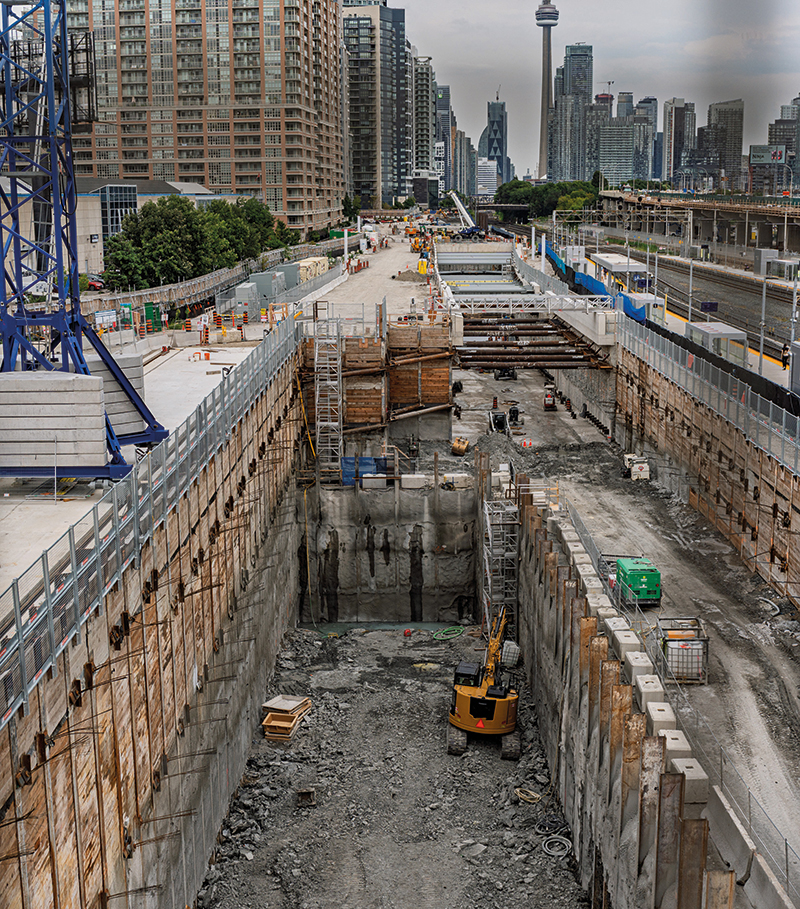
Featured image: When a municipality prioritizes awarding contracts to the lowest bidder, important factors like quality, durability, delivery speed and long-term value are often overlooked. (Getty Images)