
Canada has emerged as one of the most technically distinctive national construction markets in London Construction Magazine’s Global Construction Cities 2026 analysis. Toronto, Vancouver and Montreal are among the 100 urban markets examined worldwide, each demonstrating a different form of infrastructure capability: deep urban tunnelling, automated rapid-transit expansion and large-scale metro extension inside established cities.
According to the report, the strength of the Canadian construction story is not a single megaproject. It is the combination of complex metropolitan transit, clean-energy engineering, port expansion and national trade infrastructure being delivered at the same time. Toronto’s Ontario Line is now in active tunnelling, Vancouver’s Broadway Subway Extension has moved into train testing, and Montreal’s Blue Line extension is using tunnel-boring technology to push the metro farther east toward Anjou.
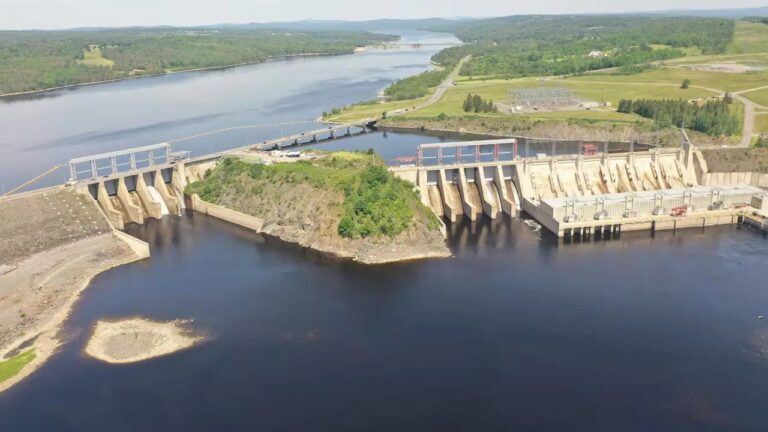
Beyond those three city markets, Canada’s project pipeline also includes the Darlington New Nuclear Project in Ontario, the Port of Montreal’s Contrecoeur container terminal expansion and major energy, mining, transmission and transport projects being advanced through the federal Major Projects Office.

“From London, what stands out about Canada is the quality of the engineering challenge it is taking on,” said Mihai Chelmus, founder and editor, London Construction Magazine. “Toronto is tunnelling a new subway through one of North America’s largest cities, Vancouver is integrating rapid transit into one of the country’s most constrained urban markets, and Montreal is extending its metro while also expanding a nationally important port gateway. Add Canada’s leadership in nuclear construction and major energy infrastructure, and you have a market with real technical depth rather than one construction story.”
Toronto is highlighted for downtown subway tunnelling and transit-led intensification. The 15.6-kilometre Ontario Line is under construction, with tunnel boring having started in April 2026. Federal project updates say the first two TBMs are driving twin tunnels from Exhibition toward the Don Yard, while station and elevated-guideway works are also progressing across the route.
Vancouver is recognized for rapid-transit delivery inside a high-pressure urban and housing market. Dynamic train testing began on the Broadway Subway in May 2026, with the extension targeted to open to the public in Fall 2027. The project extends the Millennium Line west from VCC-Clark to Arbutus through one of Metro Vancouver’s busiest corridors.
Montreal is highlighted for the Blue Line Extension, where a tunnel boring machine is driving the new underground section toward Anjou. The city combines that metro programme with another nationally significant construction story: the Port of Montreal’s Contrecoeur expansion, where in-water construction began in August 2026 and the new terminal is designed to increase the port’s container capacity by about 60 per cent.
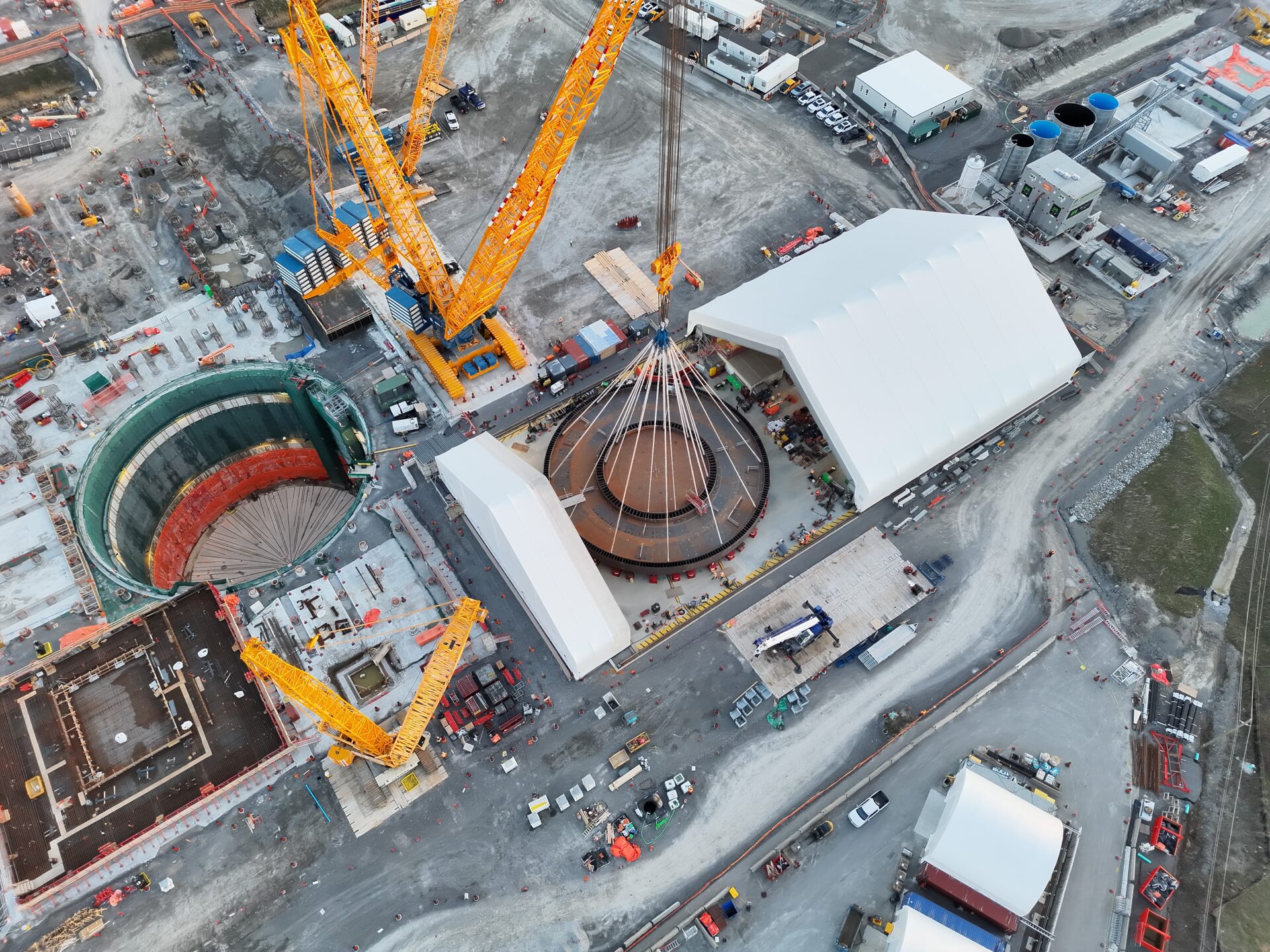
Canada’s construction capability extends well beyond public transit. At Darlington in Ontario, the country’s first grid-scale small modular reactor is under construction. A major basemat module was installed in April 2026, and the wider four-unit programme is planned to provide 1,200 MW of generation.
The scale of the broader national pipeline is also material. Canada’s Spring Economic Update 2026 states that 15 projects and six transformative strategies referred to the Major Projects Office represent more than $125 billion in new investment and are expected to support more than 60,000 jobs. The mix spans electricity, mining, energy, transportation and trade infrastructure across multiple provinces and territories.
Global Construction Cities 2026 is not a league table. Each market is assessed for a defining construction strength, a material delivery constraint and a 2027-2030 watchpoint. For Canada, the common theme is engineering depth: major projects are being delivered in dense cities, at strategic trade gateways and within technically demanding energy systems, while the country continues to confront the familiar constraints of cost, housing pressure, approvals, workforce capacity and long delivery periods.
Featured image: Darlington New Nuclear Project. (OPG)