
Neoen, and a pair of Ontario First Nations have been awarded 20-year, 50 MW solar contracts by Ontario’s Independent Electricity System Operator (IESO) in its competitive Long-Term 2 Energy Supply procurement process.
The contracts cover 100 per cent of the output from the future Matachewan First Nation 65 MWp / 50 MWac and the Garden River First Nation 253 MWp / 200 MWac solar farms. Both projects will be co-owned by Neoen and the First Nations in a 50 per cent equity partnership
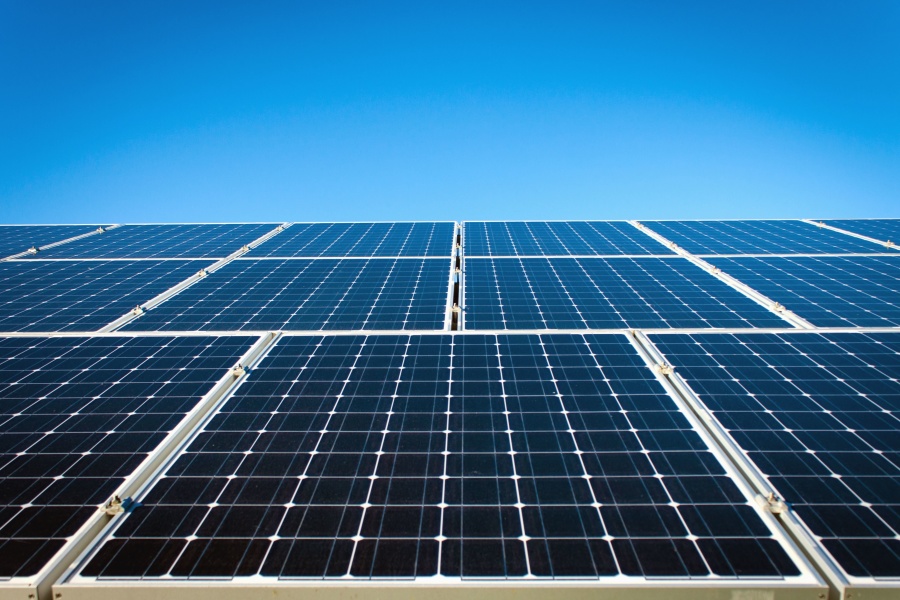
Located approximately 20 km southeast of Temiskaming Shores, in Northeastern Ontario, the Matachewan solar farm will add close to 100,000 MWh of emissions-free energy to Ontario’s power grid each year, once operating. Construction is expected to begin in 2028, with a target in-service date of 2029.

Located approximately 55 km east of Sault Ste. Marie, the Garden River project is set to be Ontario’s largest solar farm, adding more than 380,000 MWh of emissions-free energy to the provincial power grid each year, once operating. Construction is expected to begin in 2028, with a target in-service date of 2030.
“This project reflects Neoen’s approach to developing clean energy projects – creating shared value and supporting Indigenous participation in the clean energy sector. We are proud to support the clean energy transition and to create long-term economic opportunities alongside Matachewan First Nation and Garden River First Nation,” said Benoit Pinot de Villechenon, Neoen’s Province Director for Ontario.
Jason Batise, President, Matachewan First Nation Limited Partnership, added: “As president of the Matachewan Limited Partnership, I am pleased to have worked with Neoen to achieve this contract award with Ontario through IESO. We realize we are in the beginning stages of our solar energy project journey with our partners, and we look forward to the opportunities this initiative will provide for Matachewan First Nation.”
Said Chief Karen Bell, Garden River First Nation: “This 50 percent equity partnership marks an important step in advancing Indigenous economic sovereignty and leadership in Canada’s energy sector. For Garden River First Nation, this project represents more than energy production. It reflects our responsibility as Anishinaabe people to care for the land while creating meaningful opportunities for our community and future generations.”