
A series of landmark agreements and policy reports released this week have signaled a shift in Canada’s energy strategy, as provinces and territories move to embrace nuclear power to solve aging infrastructure woes and meet soaring electricity demands.
The North Goes Nuclear: Ontario and Yukon Partner on SMRs
In a move described as a “critical step” for energy security in the North, Ontario and Yukon have signed a formal partnership to explore the deployment of Small Modular Reactors (SMRs). The agreement aims to leverage Ontario’s deep nuclear expertise to stabilize the Yukon’s strained electricity grid, which narrowly avoided failure during the past winter.
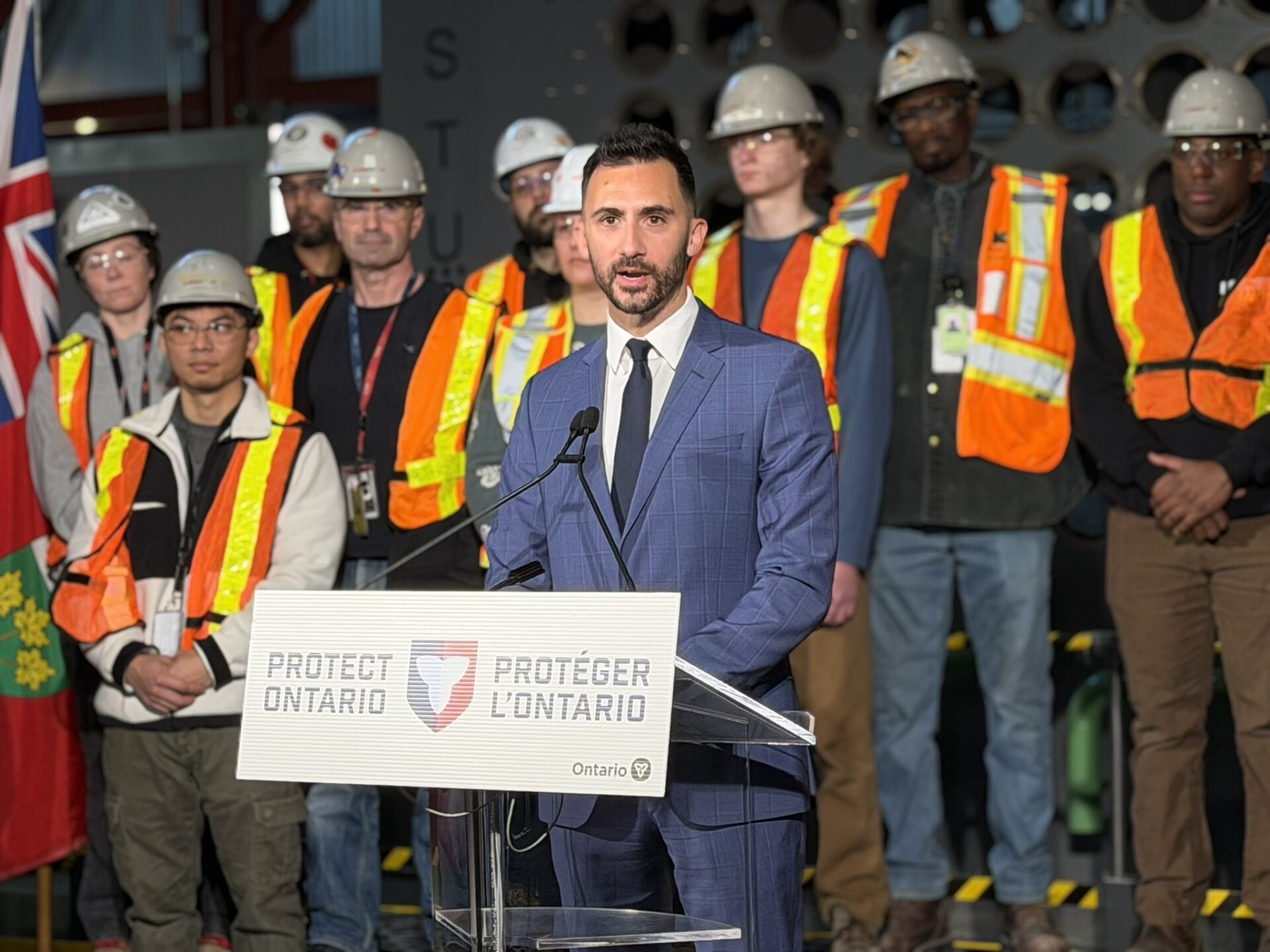
“Ontario is building the western world’s first small modular reactor, with a focus on exporting this clean technology across Canada, from coast to coast to coast,” said Stephen Lecce, Ontario Minister of Energy and Mines.
The partnership between Ontario Power Generation and Yukon Energy will focus on the groundwork for SMRs and microreactors, which could provide a carbon-free alternative for remote mining operations and communities currently dependent on expensive diesel generation.
Ted Laking, Yukon Minister for Energy, Mines and Resources, underscored the urgency of the situation:
“We were in a challenging position this past winter… we require significant investment in new generation capacity that we can rely on in our coldest and darkest months of the year.”
Alberta Releases Roadmap for a Nuclear Future
Further south, Alberta’s government has released a long-awaited report from the Nuclear Energy Engagement and Advisory Panel. After months of province-wide consultations with nearly 6,000 residents and Indigenous communities, the report provides a blueprint for integrating nuclear power into the province’s energy mix.
While the response was generally positive regarding reliability and emissions, officials noted that public support is not a “blank check.”
“Now is the time to plan for Alberta’s energy future, and the interest in nuclear energy’s potential is clear,” said Nathan Neudorf, Minister of Affordability and Utilities. “This isn’t a slam dunk that the Alberta government will proceed, but we did get feedback.”
Industry leaders believe the province is uniquely positioned for this transition. Dustin Wilkes, CEO of Nucleon Energy, noted that the opportunity extends beyond power:
“Alberta can attract investment, strengthen supply chains, build specialized expertise and establish itself as a serious jurisdiction for nuclear industry growth in North America.”
Saskatchewan Taps Into Ontario’s “Bruce” Expertise
The nuclear momentum is also sweeping through the Prairies. SaskPower has signed a Memorandum of Understanding (MOU) with Bruce Power to support the evaluation of large-scale nuclear reactor technologies.
Saskatchewan is currently moving forward with plans for both SMRs and large-scale reactors to power its critical minerals and agricultural sectors. The MOU allows SaskPower to tap into 25 years of operational data from the Bruce site in Ontario, home to the world’s largest operating nuclear facility.
“The growing demands for reliable, baseload power, not just in Saskatchewan, but across the country, reinforce the vital role that nuclear power will play in the years ahead,” said Rupen Pandya, President and CEO of SaskPower.
The Path Ahead
From the Peace River project in Alberta to the shores of Lake Huron, the trend is clear: Canada is looking to the atom to bridge the gap between its climate goals and the reality of a growing population. While challenges regarding waste management and capital costs remain, the interprovincial collaboration seen this week suggests that a unified Canadian “nuclear corridor” is no longer just a theory—it’s actively being built.
Featured image: Stephen Lecce, Ontario Minister of Energy and Mines announcing the completion of OPG’s Darlington Nuclear Refurbishment project, Feb. 2, 2026. (Government of Ontario)