
The Government of B.C. announced the termination of its construction agreement with the consortium for the Fraser River Tunnel build after failing to finalize contract terms. The province will now break the $4.15 billion replacement project, which will replace the aging George Massey Tunnel with a modern, toll-free, eight-lane immersed-tube tunnel, into multiple smaller bidding packages.
Since September 2024, the province has been working with Cross Fraser Partnership under a design and early works agreement to advance project design, technical studies and early construction activities while working toward a potential final construction agreement.
While significant progress has been made on design and current construction work, agreement on the commercial terms for final construction of the tunnel was not reached. As a result, government is exercising a termination option that was built into the process, which will allow the province to retender this work to seek the best value. The province will move forward with a procurement strategy designed to strengthen competition and allow for more local contractors.

“We’ve received good value from the contractor and have made steady progress with the design, thanks to their work. However, this project is critical to British Columbia’s future, and we are taking this back to a competitive process to seek the best possible value for taxpayers,” said Mike Farnworth, Minister of Transportation and Transit. “We know the market is hungry for work on major infrastructure projects, and engagement with industry confirmed there is strong interest in competing for this project.”
The Fraser River Tunnel Project is No. 23 on ReNew Canada’s 2026 Top100 Projects report.
The revised procurement strategy will divide the remaining work into several procurement packages, allowing a broader range of qualified firms to bid on portions of the project. The province successfully used a similar approach on the Surrey Langley SkyTrain project and the Fraser Valley Highway 1 Corridor Improvement Program, where breaking work into multiple contracts helped strengthen competition, improve flexibility and support local companies.
“By design, our process has a pre-existing termination option in case we could not reach mutually acceptable terms. We are well placed to leverage improving market competitiveness,” Farnworth said. “Moving to a revised procurement model creates more opportunities for Canadian and local contractors to participate while ensuring this nation-building project is delivered in the most fiscally responsible way possible.”
As a first step, requests for qualifications will be issued to identify qualified proponents for key phases of the project. Industry engagement, including discussions with international, Canadian and local contractors, confirmed strong market interest in the revised approach, including from British Columbia companies.
The project previously went to market in 2023 as a single, large progressive-design-build procurement. The revised procurement model better reflects current market conditions while ensuring continued momentum on one of British Columbia’s most important transportation projects.
Construction activity on the project will continue while procurement for future phases is underway. Design work, technical investigations, utility co-ordination and other early works completed will continue to support project delivery.
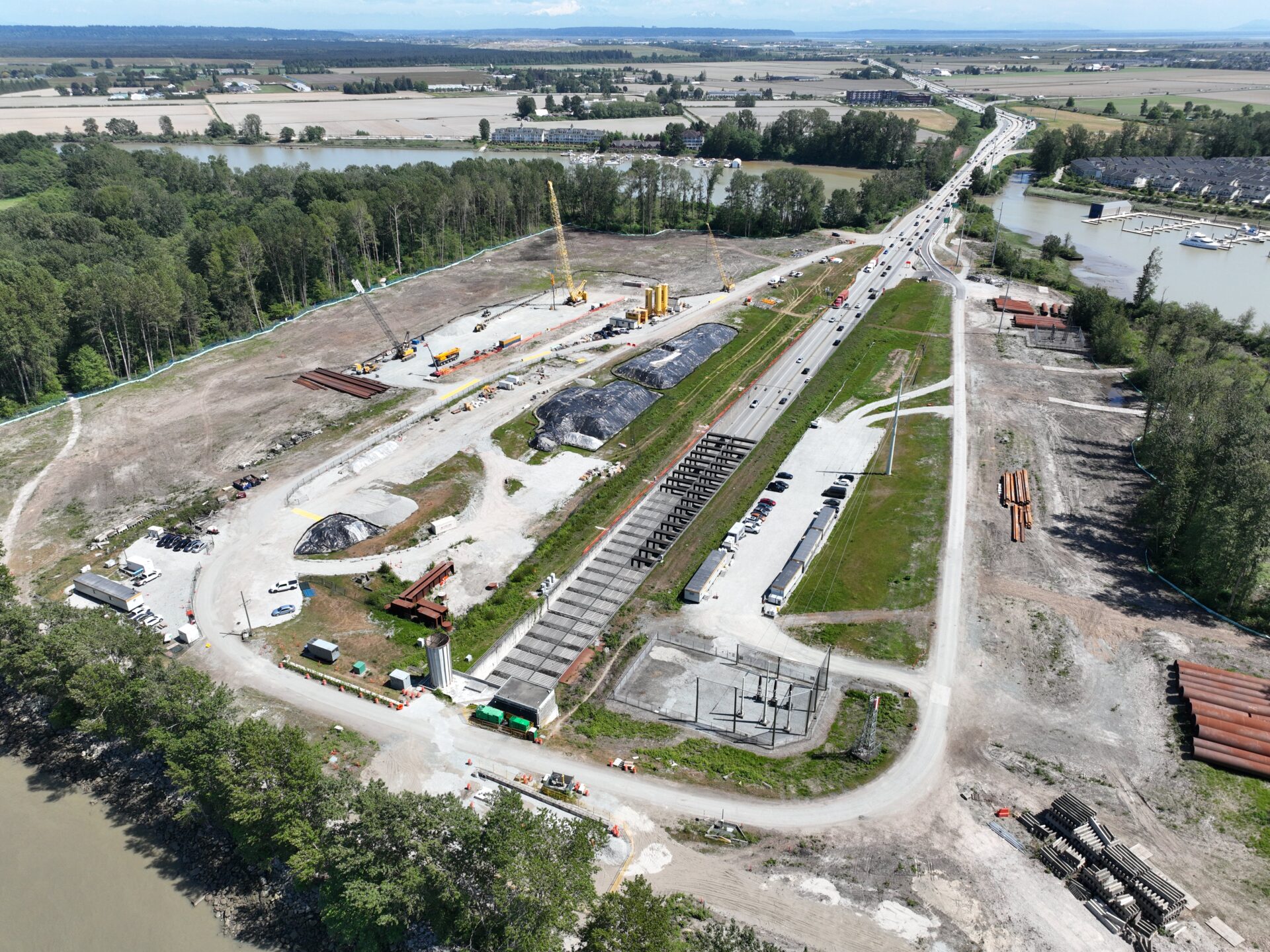
Early construction work started in January 2026, including tree clearing, utility relocations and preparation for the construction of a casting basin. Temporary infrastructure construction is also underway, including the construction of three jetties for the delivery of materials, a trestle bridge onto Deas Island, access roads and retaining walls for the casting basin on Deas Island, creating approximately 200 jobs in 2026 alone.
The province expects the Environmental Assessment Office to complete its review of the project before the end of 2026. Major construction is still anticipated to begin in 2027.
“The Fraser River Tunnel Project will benefit all of Canada by improving access to B.C.’s ports, ensuring smooth flow of goods into and out of the country and reducing our reliance on the U.S.,” Farnworth said. “We are having constructive conversations with our federal partners about this important infrastructure project, which they have committed to support, and how it is critical for building Canada and growing the economy.”
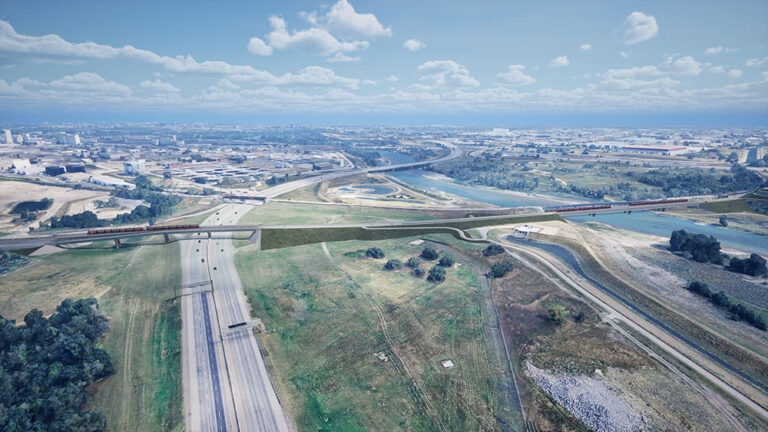
Featured image: The Fraser River tunnel project continues moving forward to replace the aging George Massey Tunnel with a modern, toll-free, eight-lane crossing. (BC Ministry of Transportation and Transit)