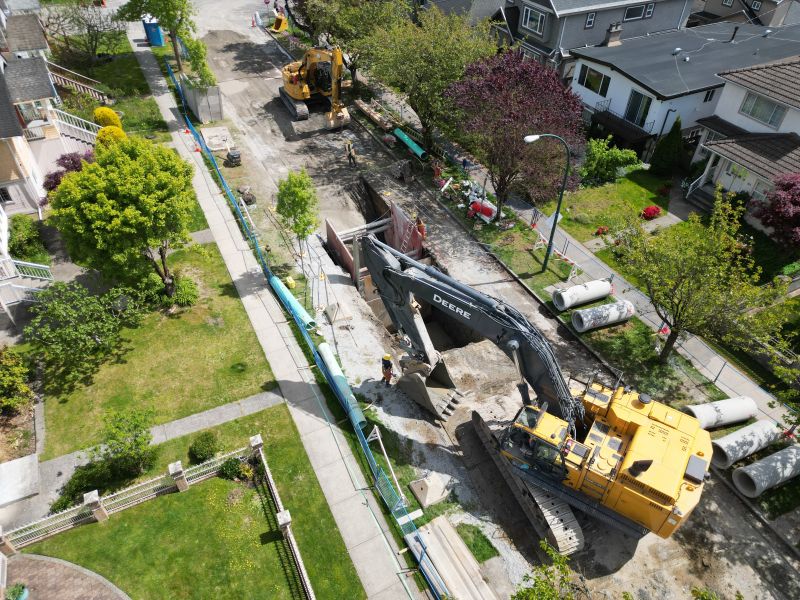

Vancouver City Council has approved the 2027–2030 Capital Plan, a $3.5 billion investment in renewing infrastructure and public amenities.
The four-year Capital Plan represents one of the most infrastructure-focused investment plans in the City’s history, prioritizing the renewal of aging roads, bridges, water and sewer systems, community centres, public safety facilities and other essential City assets.
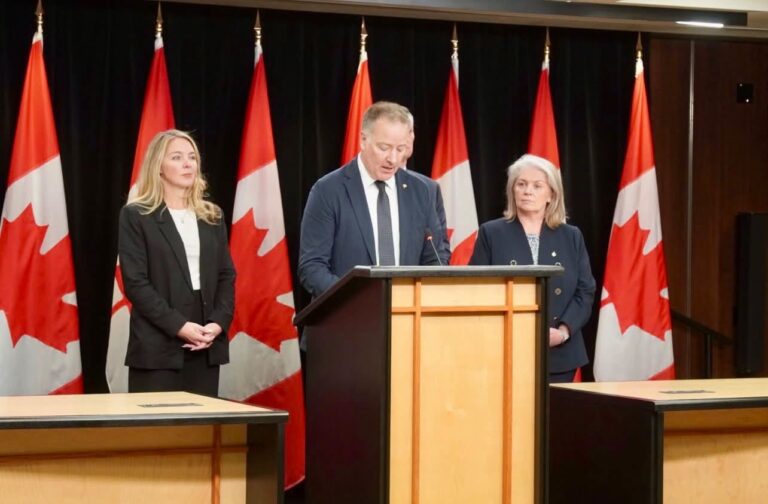
“Vancouverites deserve a city that works. Safe roads, reliable utilities, modern community centres, and public facilities that meet the needs of growing communities,” said Mayor Ken Sim. “For decades, too little was invested in maintaining the infrastructure we already have. This Capital Plan makes the tough but necessary choices to fix what needs fixing and ensure Vancouver’s core services are built to last.”
The approved plan includes approximately $3.5 billion in City-led capital investments, along with approximately $100 million in developer-delivered amenities, focused on renewing critical infrastructure, modernizing community facilities and maintaining essential City assets.
Key investments include:
- Renewing transportation infrastructure, including the rehabilitation of 134 kilometres of roads, 30 kilometres of sidewalks, and major rehabilitation work on the Granville and Cambie bridges;
- Upgrading water and sewer systems, including approximately 40 kilometres of water main replacement and 32 kilometres of sewer main renewal;
- Modernizing community facilities, including the renewal of five aging community centres through Council’s previously approved $400 million commitment, new pools in Sunset and Marpole, a commitment to Kitsilano Pool rehabilitation and a new 50-metre competition pool;
- Strengthening public safety infrastructure, including a new four-bay Fire Hall No. 2, renewal of the Firehall Arts Centre, replacement of fire apparatus and approximately 240 police vehicles;
- Investing in parks, culture and childcare, including new amenities such as the Beaconsfield Park synthetic turf field and continued investment in civic theatres and cultural facilities;
- Supporting housing and climate resilience, including maintaining approximately 700–800 City-owned housing units, acquiring land for approximately 210 additional housing units, and investing in seismic upgrades and extreme heat preparedness.
“This plan is about restoring confidence in the basics,” said Mayor Sim. “Before we build more, we need to make sure what we already have is safe, reliable and in good condition. That means fixing roads and bridges, renewing community spaces, and protecting the infrastructure that supports everyday life in Vancouver.”
The Capital Plan comes at a time of significant financial pressure, including an estimated $500 million annual infrastructure renewal gap, aging civic facilities, rising construction costs, reduced senior government funding and slower development activity affecting development contribution revenues.
To address this challenge, Council previously approved increasing the dedicated infrastructure levy from one per cent to two per cent. That decision will generate more than $250 million in additional capital capacity and is expected to reduce the estimated timeline to address Vancouver’s infrastructure renewal backlog from approximately 40 years to 20 years.
“Government has a responsibility to be honest about the challenges we face and responsible about how we respond,” said Mayor Sim. “This plan does exactly that. We are accelerating investment in the infrastructure Vancouverites depend on while making sure we continue to manage taxpayer dollars responsibly.”
The Capital Plan will be funded through a combination of City sources, development contributions and partner funding. Approximately 73 per cent will come from City funding sources, including property taxes, utilities, reserves and debt; 21 per cent from development contributions; and six per cent from external partners.
Featured image: (City of Vancouver)