
By Thomas Strong, Daniel Ball and Guy Jolicoeur
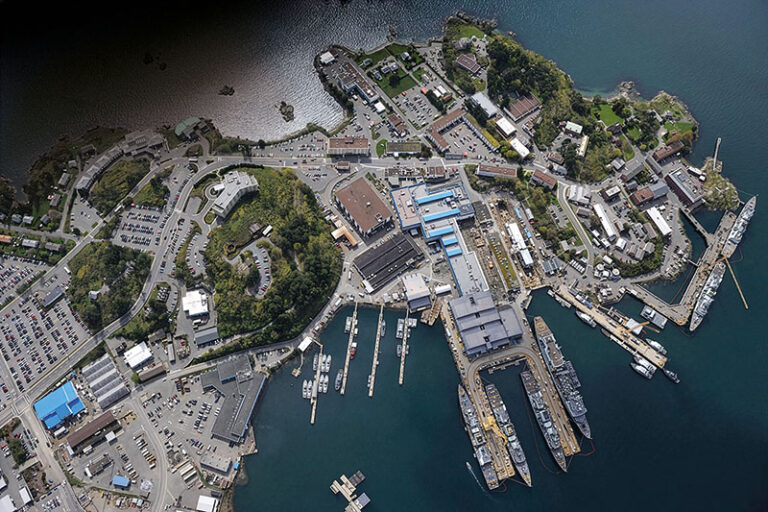
Canada’s defence infrastructure program has entered a new phase. Through Defence Construction Canada (DCC), annual construction spending is expected to exceed roughly $2B per year starting with a focus on expanding military housing and a growing pipeline of airbase, logistics and northern defence projects.
The scale of the opportunity is clear. What is less understood is how quickly it is exposing a gap in how risk is managed across the construction industry.

Projects are moving forward under compressed timelines in unfamiliar geographies and within procurement frameworks that do not align cleanly with traditional commercial practices. Yet many contractors are still approaching these jobs using a conventional model: price the work, sign the contract and buy insurance. This sequence is starting to break down.
The issue is not that risk is increasing. It is that risk is changing shape. Labour constraints, remote logistics, modular construction and operational restrictions tied to active military environments are introducing exposures that are difficult to transfer after the fact. In many cases, these exposures are not fully understood until projects are already underway.
This is where the idea of “Risk Advisory” becomes critical. Instead of treating insurance as a transaction, it reframes brokerage as a function that helps structure, control and continuously monitor risk across the lifecycle of a project.
A Different Kind of Housing Program
One of the clearest examples is the Department of National Defence’s Phase Two housing program, which aims to deliver approximately 7,500 new residential housing units across roughly 25 locations nationwide.
At a glance, this looks like a large-scale residential buildout. In reality, it operates under a very different set of constraints.
Major concentrations of work are planned at bases such as Valcartier, Petawawa, Edmonton, Kingston and Gagetown. Much of this development is occurring on existing base lands, where new housing must be integrated into aging infrastructure systems originally built decades ago.
To meet aggressive delivery timelines, DCC has tapped Build Canada Homes, a Crown corporation, focused on accelerating affordable housing though construction innovation, to explore prioritizing modular and prefabricated construction methods. While this approach improves speed and efficiency, it may also shift risk into areas that are not always well addressed by standard project structures. For example, materials are manufactured off-site, transported over long distances and integrated into live environments, tying into existing operational utilities.
Although utilizing off-site prefabrication can help address some of the labour shortages and take advantage of the building program scale to create efficiencies, the result could be a more fragmented risk profile. Responsibility is spread across manufacturers, transport providers and on-site contractors. Interface points multiply. Warranty structures become more complex.
This fragmentation is also where insurance program structure starts to matter. When it comes to multiphase, multisite initiatives, covering multiple locations and project phases, a single structure can offer significant advantages over procuring cover on a per project basis. A well-crafted program can reduce coverage gaps and overlaps between projects, simplify claims handling and lock in terms for a multiyear delivery window.
At the same time, workforce pressures are becoming more pronounced. In markets like Cold Lake (future homebase to the F-35 fighter jet fleet), the influx of labour required to support housing and broader base upgrades is expected to further strain local capacity, where there is already a skilled labour shortage. Contractors are increasingly responsible for solving their own workforce logistics, from accommodations to transportation, and this introduces additional cost and execution risk not always clearly addressed in contracts. These are not edge cases, they have become the baseline conditions for working in the North.
Complexity at Scale: Airbase Infrastructure
The same pattern is playing out across major air infrastructure projects.
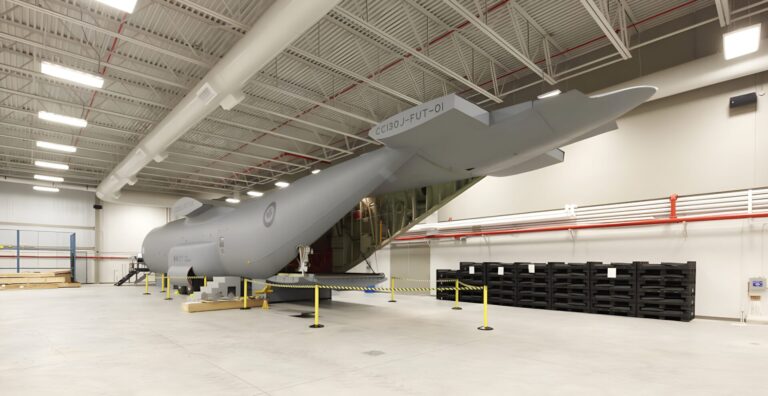
At 8 Wing Trenton, DCC has retained PCL Construction to manage an $850M program to support their air cargo fleet, including new hangars, aprons, fuel systems and training facilities. As noted above, similar work is underway at Cold Lake and Bagotville to support Canada’s future fighter capability.
These projects are technically complex, but the more significant challenge lies in how they are being delivered.
DCC is increasingly using modified design-build models and bundling multiple infrastructure components into single contracts to accelerate timelines. This creates efficiency, but it also compresses the window in which risk is identified and allocated.
Construction is often taking place in active-runway environments, where work must be carefully coordinated with ongoing flight operations. Access can be restricted with little notice. Security requirements can alter sequencing. Delays may be driven by operational priorities rather than construction performance.
In traditional commercial projects, many of these risks would be clearly allocated or mitigated through contract structure and insurance. In defence environments, this alignment is not always present. Contractors can find themselves carrying exposure for factors they do not fully control, while insurance policies need to be carefully worded to ensure they respond as expected to these constraints.
Northern Projects: Where Environmental Conditions Drive Risk
If residential and airbase projects stretch the traditional model, “High North” defence infrastructure fundamentally reshapes it.
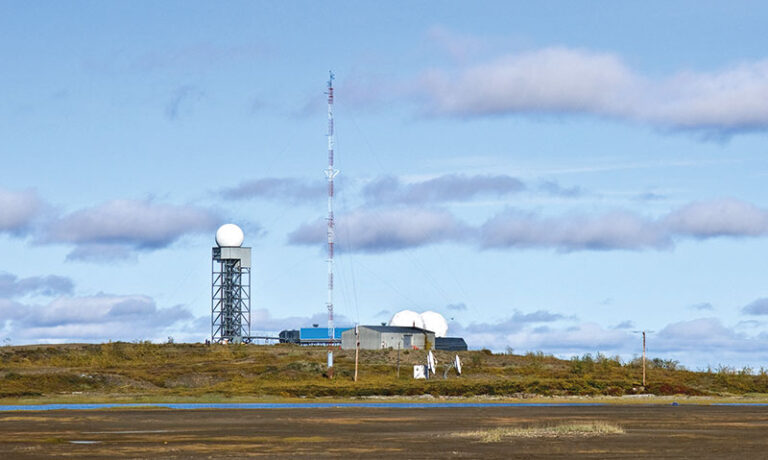
Through NORAD modernization efforts, Canada is advancing projects in locations such as Inuvik, Yellowknife, Iqaluit and Goose Bay. These include “Over-the-Horizon Radar systems” and upgrades to forward operating locations. Here, risk is dictated as much by the environment as by the project itself.
Construction is governed by narrow seasonal windows. Missing a critical delivery period can result in delays measured in years, not weeks. Supply chains are long and fragile. Weather is not a variable; it is a constraint.
Ground conditions introduce another layer of complexity. In regions affected by permafrost, buildings must be designed to prevent heat transfer that could destabilize the soil beneath them. This requires specialized foundations and thermal management systems. This is a design challenge further exacerbated by the impact of climate change. Working in the high north also requires special consideration regarding wildlife and migration corridors. For example, linear infrastructure is heavily scrutinized where remediation needs to be budgeted for and detailed environmental management plans need to be developed. Failure to manage environmental impacts in these sensitive areas can result in significant financial penalties, a risk that general contractors without experience working in the North are unaccustomed to.
In addition, procurement frameworks often require meaningful local Indigenous participation, adding an important but complex dimension to project delivery. Engagement must be genuine and integrated, not simply a compliance exercise.
These are risks that cannot simply be transferred through insurance. They must be understood, planned for and actively managed.
Moving Upstream: Risk Starts at the Project Conception
Across all these project types, one theme is consistent: risk decisions are being made too late.
A risk control driven approach starts earlier, at the contract stage. Before insurance is placed, the structure of risk allocation must be tested against how the project will actually be executed. Thoughtful risk management processes need to be integrated in the overall approach from scoping and design through construction, delivery and operations.
This means aligning indemnities with real control of risk (ensuring that risk allocation falls on those who are aligned to control that risk), stress-testing delay provisions against operational realities and ensuring that insurance requirements are achievable and meaningful. On defence projects, where procurement frameworks are often fixed, this step becomes even more important. If gaps are not addressed early, they tend to persist. For example, the development of “risk matrix” is critical to identify top risks at the early stages of the project and manage and report against this rubric over all phases of the project.
Once construction begins, the focus shifts to operational risk control. Not all risk can be transferred, particularly in environments defined by external constraints such as international trade volatility, high north weather conditions and military activities. What remains must be actively managed through planning, execution and accountability.
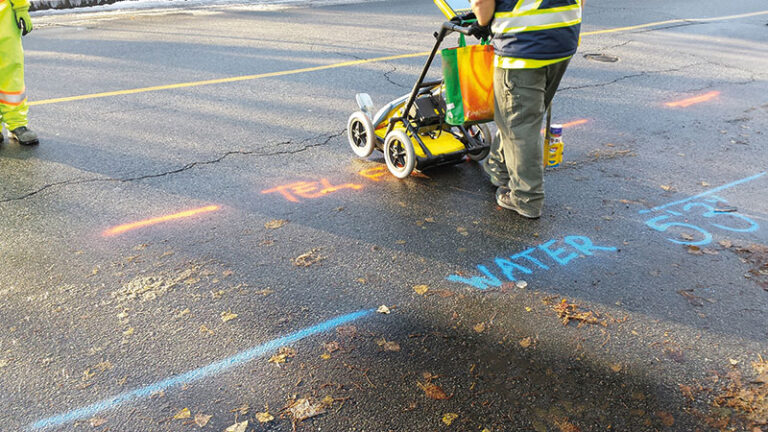
This can take many forms: workforce logistics strategies in constrained markets, phased approaches to integrating new systems into existing infrastructure and introducing new technologies to help monitor risk or detailed sequencing plans that account for restricted access on active bases. The goal is to reduce the likelihood and impact of loss before it occurs.
An Insurance Market That Favours Prepared Buyers
Insurance market conditions in Canada are reinforcing the case for a more deliberate approach. The builder’s risk market has shifted meaningfully in the favour of buyers. Capacity is available, and domestic and international outlets are actively looking to grow their construction portfolios, including segments they hadn’t focused on previously.
Opportunities that didn’t exist 18 to 24 months ago are now available. Coverage terms are negotiable in ways that weren’t during the hard market. Policy wordings particular to prefabrication and modular components can be tested against the realities of how these projects are delivered. Multi-project blanket programs are seeing renewed underwriter interest.
The opportunity does come with conditions. Markets reward submissions that demonstrate disciplined risk management: clear scopes, credible loss control, defined contractor experience and well-articulated approaches. Clients who arrive with a structured risk story will secure terms that meaningfully differ from those who don’t. As markets cycle, the advantage will narrow. Acting while capacity is plentiful and underwriter appetite is broad is itself a risk management decision.
The Role of Technology in Risk Control
As projects become more complex and geographically dispersed, technology is becoming a critical component of risk management.
Construction data, once used primarily for tracking progress, is increasingly being leveraged to identify and manage risk in real time. Environmental conditions such as weather, schedule deviations, labour shortages and supply chain disruptions can be detected earlier and addressed before they impact productivity.
Integrating project data with risk indicators allows teams to move from reactive to proactive management. Instead of discovering issues after they impact cost or schedule, they can predict issues and intervene when early warning signs appear.
This is particularly important in defence construction, where small disruptions can have outsized consequences due to tight sequencing, security constraints and environmental factors.
For risk managers operating in this space, the implication is clear — just understanding basic coverage requirements is not sufficient. Effective risk management requires visibility into how projects are actually performing.
Labour As the Defining Constraint
Overlaying all of this is a structural labour shortage that continues to reshape the industry. With tens of thousands of workers projected to be needed by the end of the decade, defence projects are competing directly with housing, energy and transportation for the same limited pool of talent. This is not just a cost issue. It is a risk issue.
Labour availability affects schedule certainty, quality of work and the ability to execute complex scopes. It introduces variability that is difficult to fully capture in traditional pricing models and even harder to transfer contractually.
Effective risk strategies are increasingly incorporating labour considerations from the outset, securing supply where possible and aligning project design with available skills, such as using prefabrication strategically while managing the risks it introduces.
A Different Procurement Model for a Different Procurement Cycle
DCC’s procurement strategies (whether through modular housing, bundled design-build contracts or early-stage progressive contracts) are designed to accelerate delivery. They are also signaling a shift in how projects will be executed.
For the construction industry, this is more than a pipeline of work. It is a transition to a different operating environment.
In that environment, the traditional sequence of risk management no longer holds. Risk cannot be an afterthought addressed through insurance placement. It must be structured, controlled and continuously managed.
As a risk control-driven brokerage, NFP’s model reflects this reality. We focus on ensuring that risk is properly transferred where possible, actively controlled where it is not and supported by data that allows for timely intervention.
The firms that adopt this approach will not eliminate risk. But they will understand it earlier, manage it more effectively and avoid the kinds of surprises that are becoming more common across defence projects.
As Canada’s defence construction program continues to expand, that distinction will matter.
Thomas Strong, SVP Construction and Infrastructure, Innovation and Technology, NFP (Toronto office)
Daniel Ball, Vice President Construction and Infrastructure Broking, NFP (Edmonton Office)
Guy Jolicoeur, Managing Director Technical Risks and Specialty Lines, NFP (Sudbury Office)
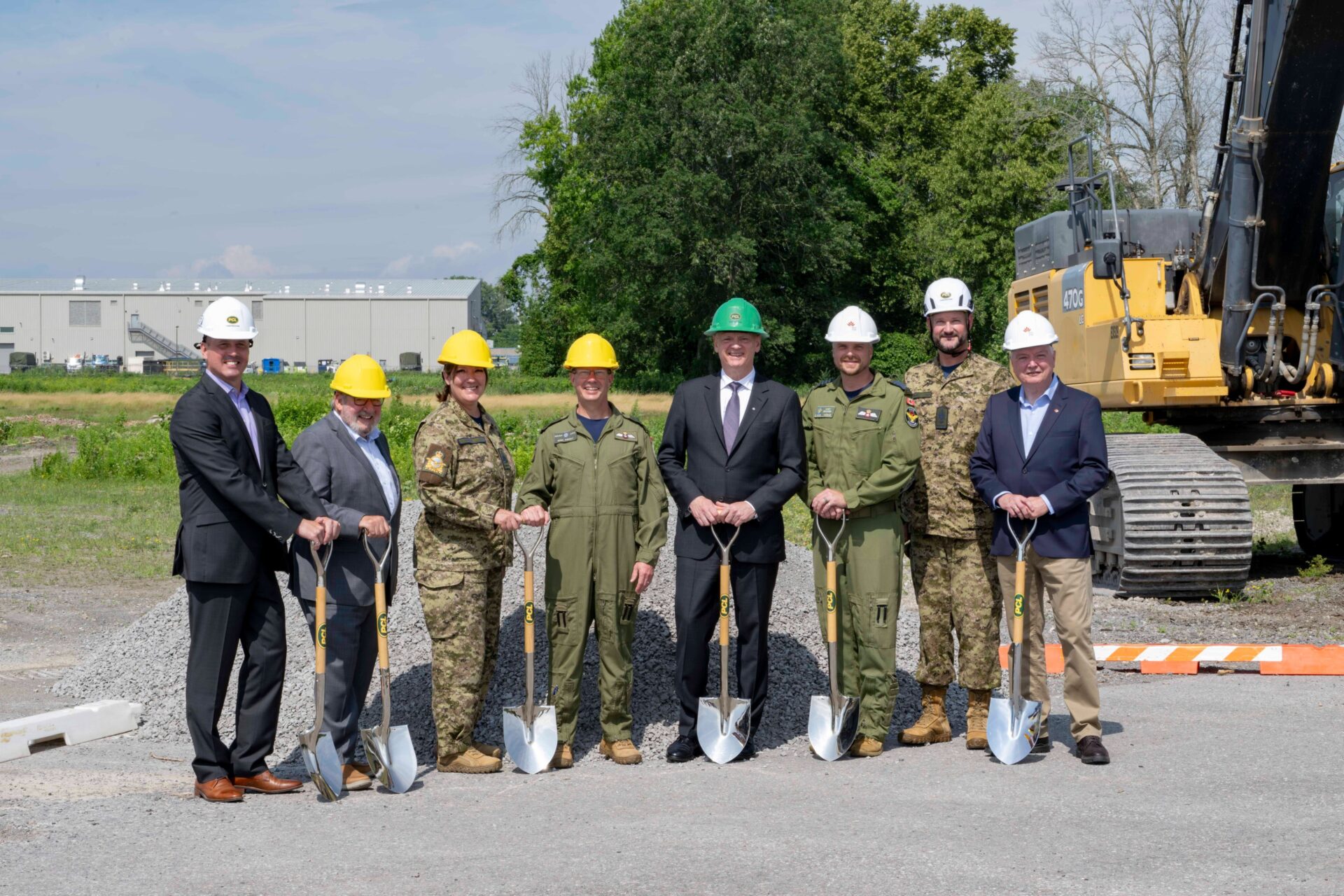
Featured image: The Department of National Defence held a groundbreaking ceremony, in July 2025, at Canadian Forces Base (CFB) Trenton to mark the start of construction on a major infrastructure project that will support the Strategic Tanker Transport Capability (STTC) project. (DND)